Groundwater & Wellhead Protection

Looking across the township, there are many amazing surface water features, such as Lake Lansing and the Red Cedar River, but neither is large enough to supply Meridian Township with a consistent drinking water supply. To meet all our needs, Meridian residents rely exclusively on groundwater.

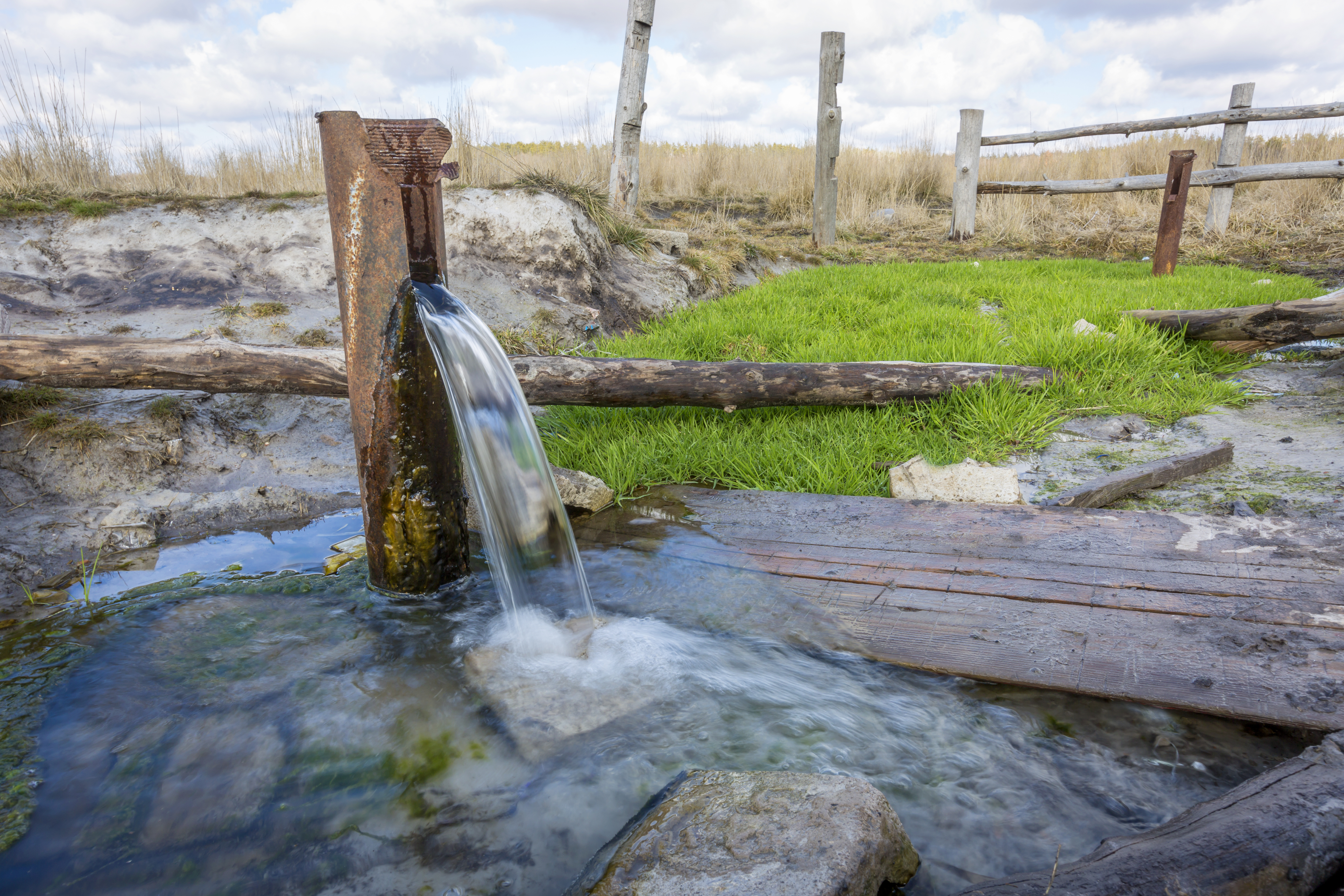
Groundwater is located below the surface as water seeps into the ground and moves through various layers of soil and rock until it reaches a layer it cannot pass through. From there, it begins to pool in the spaces between rocks and grows in size until it forms an aquifer.

The Saginaw Aquifer, which supplies our water, is a sandstone bedrock aquifer typically ranging from 100 to 370 feet thick. Both municipal and private wells are drilled to depths of up to 400 feet to access this drinking water source. If you rely on East Lansing-Meridian Water and Sewer Authority for your water, 29 municipal wells are used to draw water to the surface, where it undergoes a thorough treatment process to meet Safe Drinking Water Act standards before being distributed through Meridian’s water infrastructure to your home. If you have a private well, it usually consists of a single well that extends about 80 to 100 feet deep to access water for your use.

If you have questions or comments regarding Meridian Township's drinking water, please reach out to Township Engineer Younes Ishraidi at 517.853.4460 or ishraidi@meridian.mi.us.

Because aquifers and groundwater do not recognize boundaries, Meridian Township has been part of the Groundwater Management Board (GMB) since 1982. The GMB is a volunteer organization with representatives from Clinton, Eaton, and Ingham counties who work together to educate the public about groundwater protection, share best practices, and help local governments keep water resources clean.

Visit mitcrpc.org/migroundwater to learn about upcoming events, take steps to limit water pollution, and get involved in managing our shared water resources!
In most urban communities, public water utilities and municipalities are established to help treat and supply drinking water to households and businesses within a specific area.

East Lansing-Meridian Water and Sewer Authority uses its wells to pump groundwater through an extensive filtration and treatment process that meets federal regulations. The water quality is regularly tested and reported in their annual Water Quality Report (a Consumer Confidence Report). These reports provide information on water quality from the previous year and include details about where your water comes from, a list of regulated contaminants, potential health effects, and contamination levels for your specific water provider compared to national standards.

Visit the City of East Lansing's Annual Water Quality Report webpage for current and past reports.

A wellhead protection area is the surface and subsurface zone around a water well or well field (a group of wells) that supplies a public water system, where contaminants are likely to move toward and reach the well location(s) where groundwater is accessed. Identifying these zones helps protect our wells and prevent potential contamination of our drinking water. East Lansing-Meridian Water and Sewer Authority (ELMWSA), Meridian Township, and the City of East Lansing maintain an active wellhead protection plan to support these efforts.

Michigan has a voluntary program called wellhead protection plans, which help reduce the risk of water contamination by identifying and safeguarding the areas that supply municipal water sources. The plan is divided into seven parts and includes management strategies to minimize contamination risk, contingency plans, plans for new water sources, and public education efforts. To learn more about Meridian’s local plan and the members of the wellhead protection team, check out ELMWSA’s recently published 2025 Wellhead Protection Plan.

Like many other household appliances, owning a private drinking well on your property requires regular maintenance and care. Although government standards regulate public water suppliers, a homeowner with a private well is responsible for their water and the maintenance of the associated infrastructure. This includes regular upkeep of the well components and monitoring the water quality. To learn more about how to do this, check out the Groundwater Management Board’s Private Well Maintenance Card.

If you are unsure whether you have a well on your property (an abandoned well may remain if a home was recently connected to township water) or if you are seeking more information about your well, you can find records through Michigan’s Wellogic Well Records program or by contacting your local health department, Ingham County Health Department. Additionally, selling a home or transferring property in Ingham County requires that the well and septic systems be inspected before closing. Please refer to Ingham County’s point-of-sale brochure for more details.