Domestic violence is criminal behavior. Services have increased in recent years to meet the magnitude of this devastating reality, but much more needs to be done. Battering occurs across all cultural, educational, racial, and socioeconomic groups, and in heterosexual, gay, and lesbian relationships. Men can be battered, but in 95% of all reported cases, it involves a woman being battered by a man. Domestic violence involves one person controlling another through the use of violence, sexual assault, threats, emotional abuse, stalking, using children, legal harassment, and isolation. While domestic violence is a “hidden crime,” it affects 25-35% of the population.
Children in violent homes carry a painful burden. Children who see or hear their parents being yelled at, pushed, hit, or threatened are hurt and scared. Many times, people who abuse their partners also abuse their children. These children learn to accept family violence as a way of life. They grow up believing violence is normal behavior. Those who come from violent homes claim they will never behave that way, but often resort to violence when faced with problems of a relationship, marriage, and parenting.
What C.A.R.E. is:
The mission of the C.A.R.E. (Capital Area Response Effort) is to reduce family violence in Ingham County by drawing on the resources of various community groups to intervene in both the short-term and the long-term with families affected by domestic violence. Through the program, volunteers are on-call to assist persons who have been victims of domestic violence. Currently, staff and volunteers can provide assistance 24 hours a day, 7 days a week.
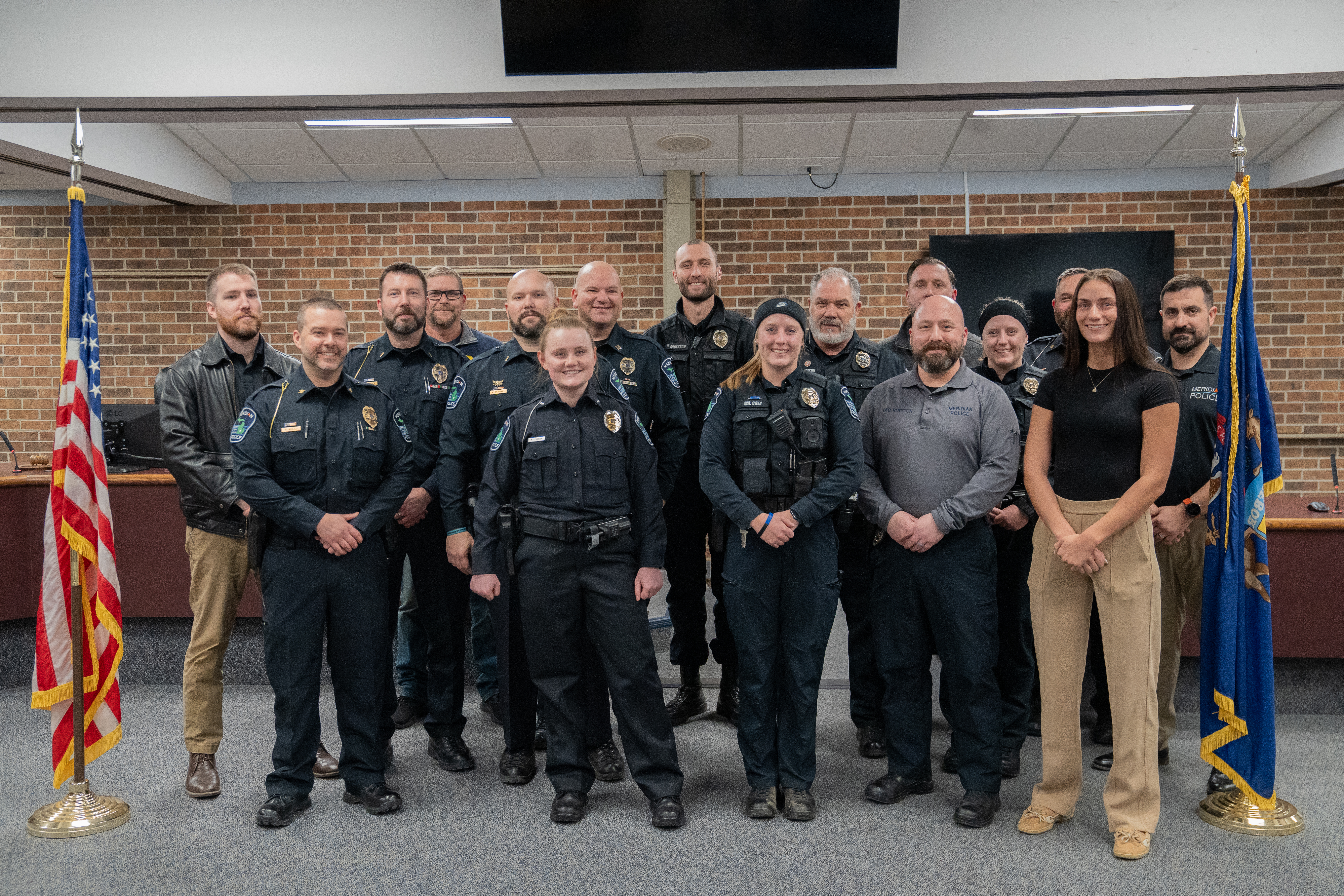
Response Team members volunteer their time to provide immediate assistance to survivors. The volunteers are trained specifically in domestic violence laws, victims’ rights, community resources, and medical referrals. Their response is immediate and intense; volunteers respond to the home within 30 minutes of the assailant's arrest (and only when an arrest has occurred) and remain with the survivor until it is deemed appropriate for them to leave. They help survivors assess their risk of further injury or homicide, develop a safety plan, obtain safe shelter, and access available community resources. CARE responds when an arrest has been made in the City of Lansing, East Lansing, Lansing Township, Meridian Township, and Michigan State University.
The information CARE members provide may help to reduce the physical and psychological consequences of the assault. The Response Team helps survivors work through the immediate crisis and plan for a safe future.
In addition to the immediate contact, CARE staff and volunteers provide additional follow-up contact with survivors. Continual assessment may increase the likelihood that survivors will get the assistance they need.
The Role of Volunteers
Volunteers play a key role in the C.A.R.E. program's efforts to reduce family violence. While many hard-working and dedicated volunteers already work in teams, more volunteers are needed to expand the program.
Prospective volunteers must apply to the address listed below. In addition to the application, volunteers will be expected to:
-
Provide Two References
-
Participate in a Short Interview
-
Complete a Police Ride-a-Long
-
Agree to a Review of Criminal History and Driving Records
-
Complete Approximately 40 Hours of Training (Held Over 2 Weekends)
-
Monthly in-service Training/supervision Meetings Once Volunteering
If accepted as a volunteer upon completion of the training, volunteers will be asked to be on call (via pager) approximately once every six weeks. Volunteer shifts consist of being on call on Thursday and Saturday, or Friday and Sunday, so assistance can be provided to victims throughout the weekend. CARE staff respond to domestic violence victims during weekday hours.
Volunteers are asked to commit for at least 6 months, with 1 year preferred.
Making a Referral
C.A.R.E. was developed specifically for the purpose of assisting victims of domestic violence immediately following an act of violence in which the police have arrested the offender. Police Officers request a C.A.R.E. team response. However, other help is available at all times for victims of domestic violence.
-
EVE House (formerly known as Council Against Domestic Assault) in Ingham County 517.372.5572
-
R.A.V.E. (Relief After Violent Encounters) in Clinton County 989.725.9444
-
S.I.R.E.N. in Eaton County 517.543.0748
-
National Domestic Violence Helpline 800.799.SAFE
For further information or to get an application to volunteer, please contact:
CARE
3400 S. Cedar
Lansing, Michigan 48910
517.272.7436
Care is supported in part by a crime victim assistance grant award #40457-1 awarded to the city of Lansing by the Michigan Crime Victim Services Commission. The grant award is $42,963; 80% of the project comes from the Crime Victims Fund established by the Victims of Crime Act of 1984, and the city of Lansing provides the 20% match, valued at $10,776.
This project was supported by grant project #70864-1k99 awarded by the Bureau of Justice Assistance, Office of Justice Programs, U.S. Department of Justice. Points of view or opinions contained within this document are those of the author and do not necessarily represent the official position or policies of the U.S. Department of Justice.